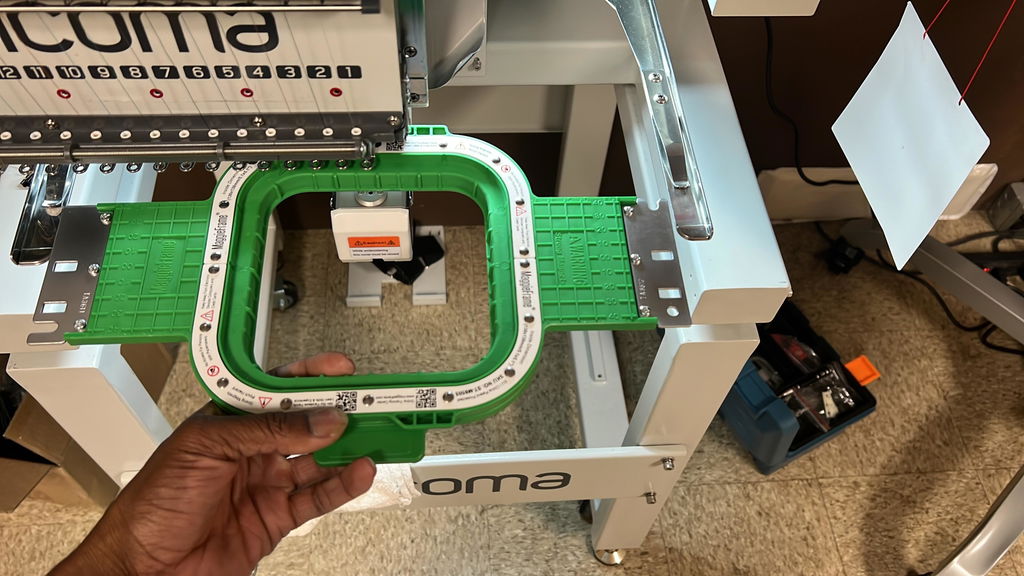
MaggieFrame Magnetic Hoop 6"x 8" | 150x200mm for Tajima

3-Year Warranty, 30-Day Free Returns

No Duty & No Tax on Delivery

Free Shipping over $100

6-8 Business Days to United States
Will this hoop fit my embroidery machine?
Yes. The hoop and brackets are matched to the machine model you select above. The brackets are included.
Not sure? WhatsApp us or leave a message here.
How fast will it ship, and how do I track it?
Most items ship by the next business day. After shipment, you will receive a tracking email. The estimated delivery date range shown above updates by destination.
For more details, see our shipping policy.
Will I pay duty or sales tax on delivery?
For US magnetic hoop orders, there is no duty or sales tax due on delivery, and no extra delivery fee for these orders.
What if I choose the wrong model?
If you are not sure how to choose the right hoop, WhatsApp us or leave a message here.
After delivery, if there is a fit issue, contact us promptly on WhatsApp or leave us a message here. We will help resolve it. We offer a 30-Day Free Return policy. For more details, see our return policy.
Let customers speak for us
Excellent and very comfortable, I will buy more tires now.
5★ goes to MaggieFrame® ★ Quick Shipping & Extremely Well Packaged ★ Makes Hooping Garments for Embroidery soooooo easy! ★ Competative Pricing ★ First time using a Sleeve Attachment - WOW! ★ Works a dream ★ Now I can offer my customers more placements ★ Excellent & Friendly Customer Service ★ Phatpress™ Recommends MaggieFrame® 5★
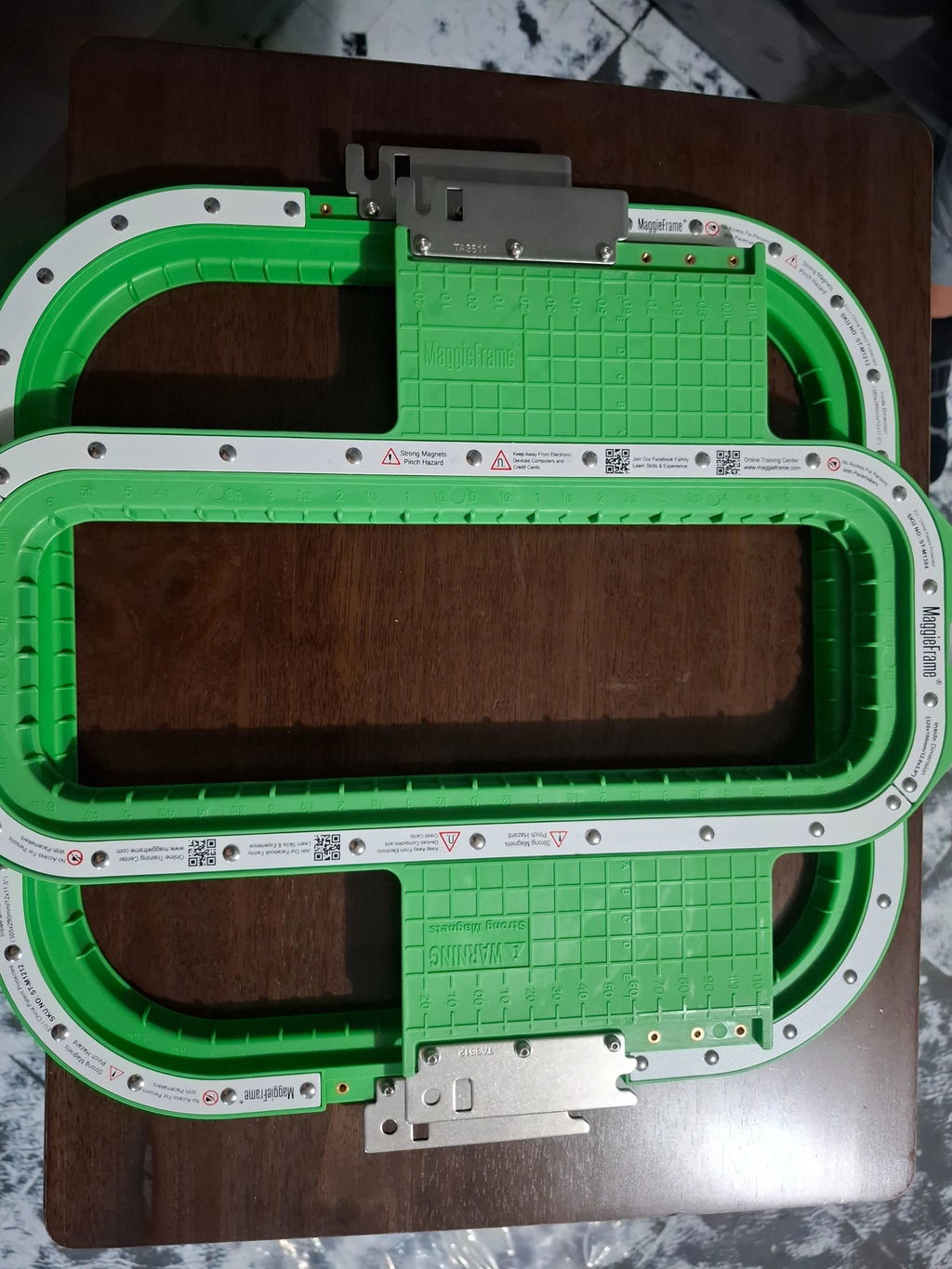
I recieved my 2 maggieframe Hoops which look and feel top quality. I'm static to put them into use. Had a little issue with one of the adaptors but the prompt response and great customer service made it all worth it.
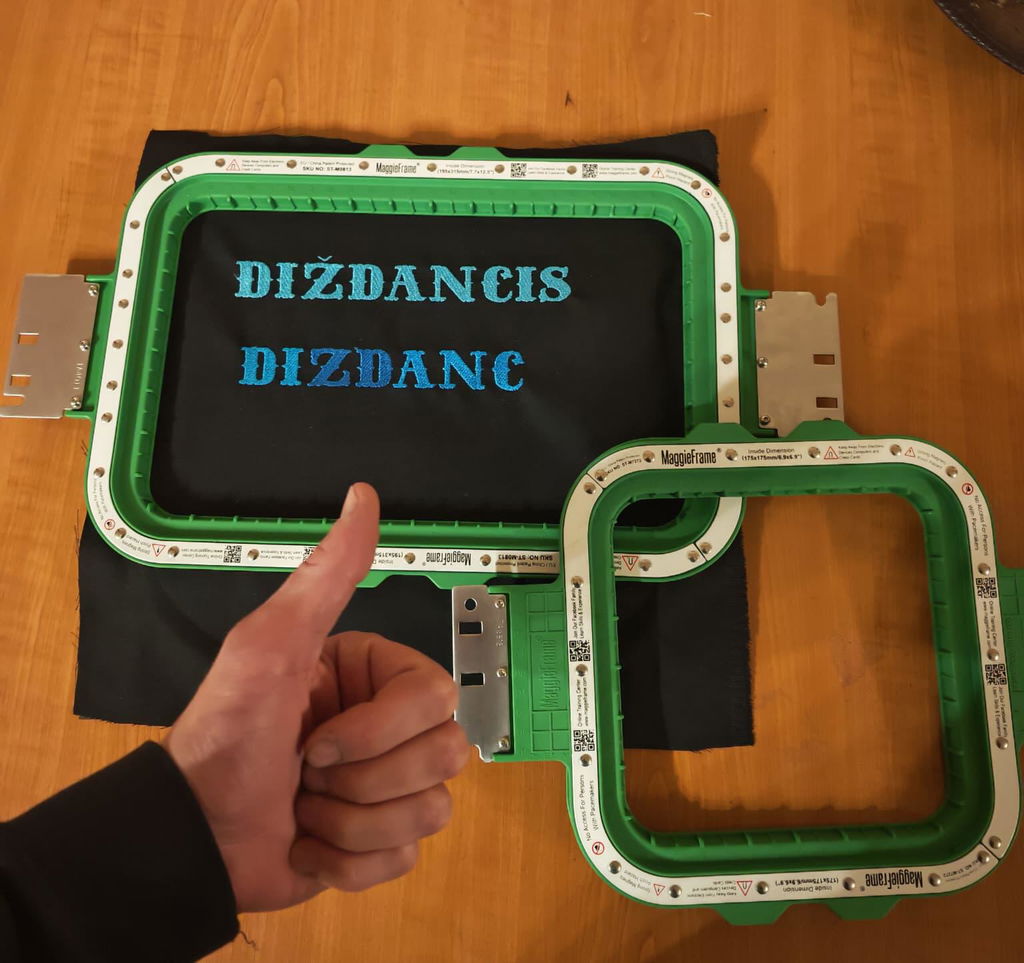
The meggie embroidery hoops are the best ones that I have ever used. The efficiency of these hoops is wonderful; I can do my embroidery jobs much faster. And the magnetic force are also powerful. Love these hoops.
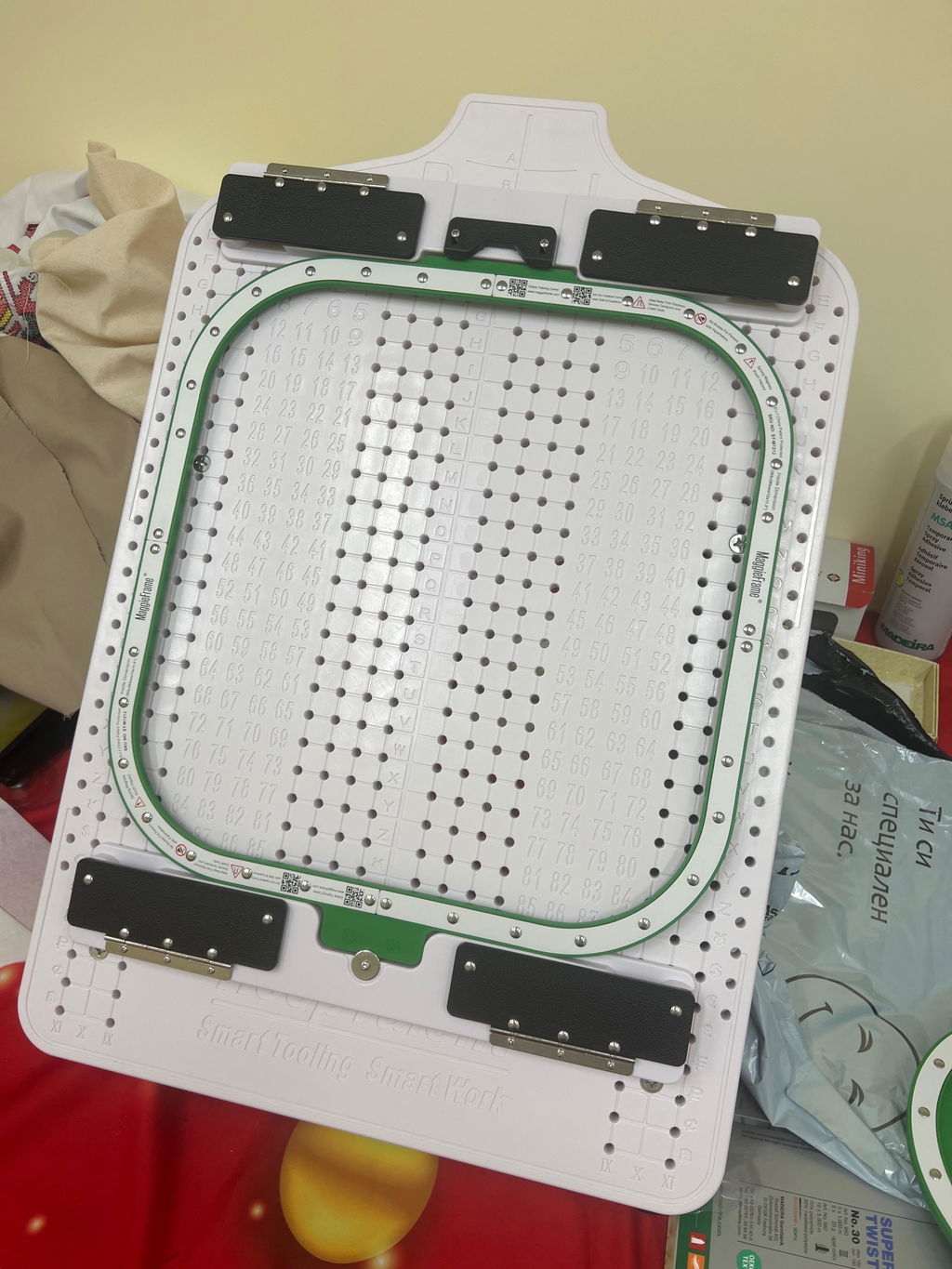
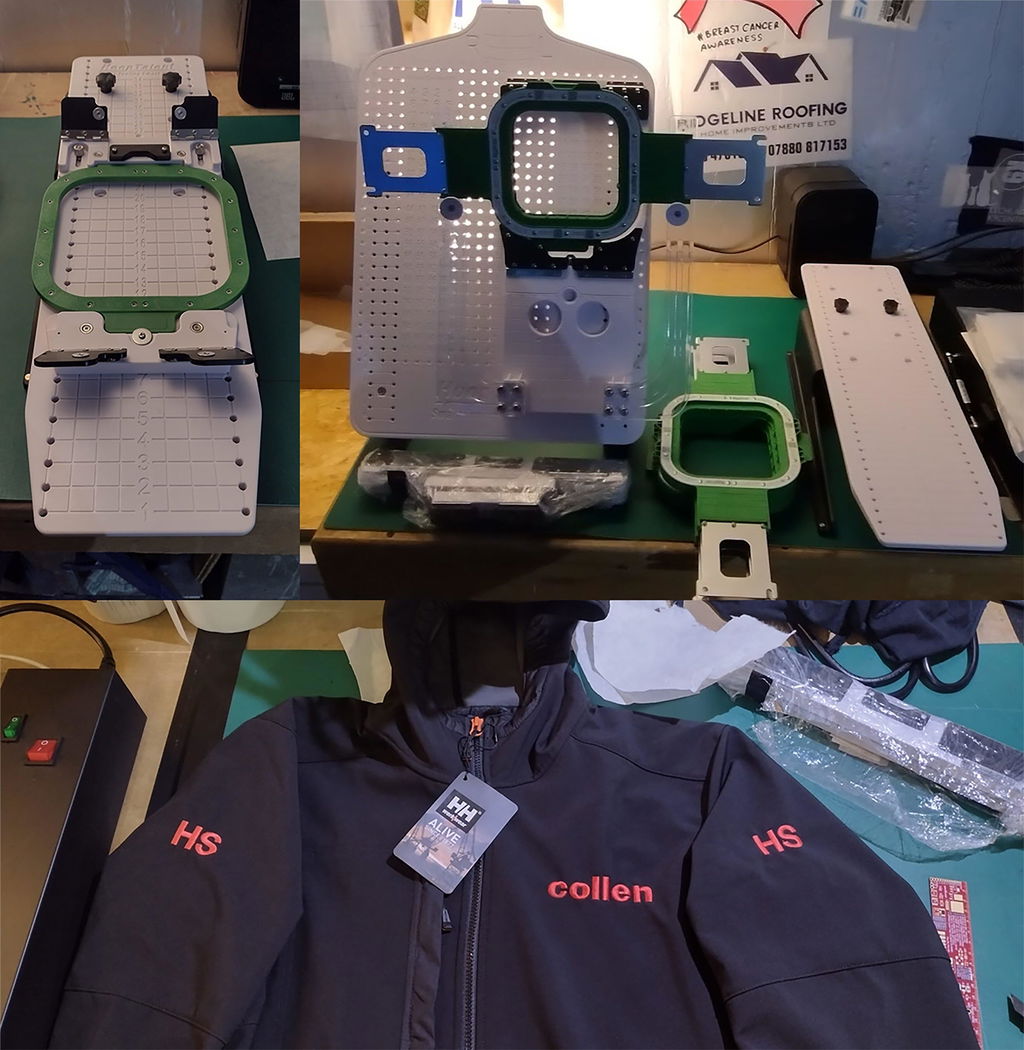
The station is super convenient and excellent, it is very easy to work with, and the embroidery frames themselves are a unique product, everyone can trust Maggieframe
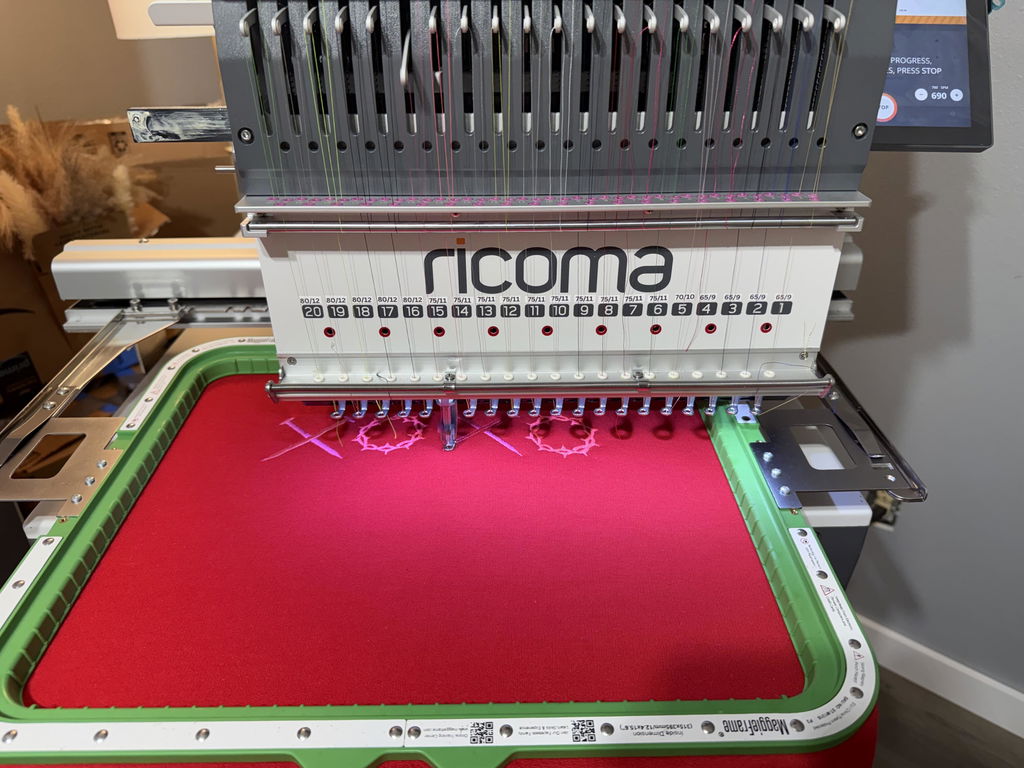
These frames are great and a wonderful price. I was worried at first but once I received them they changed my whole perspective of them. Get you a pair or 2. They are wonderful.
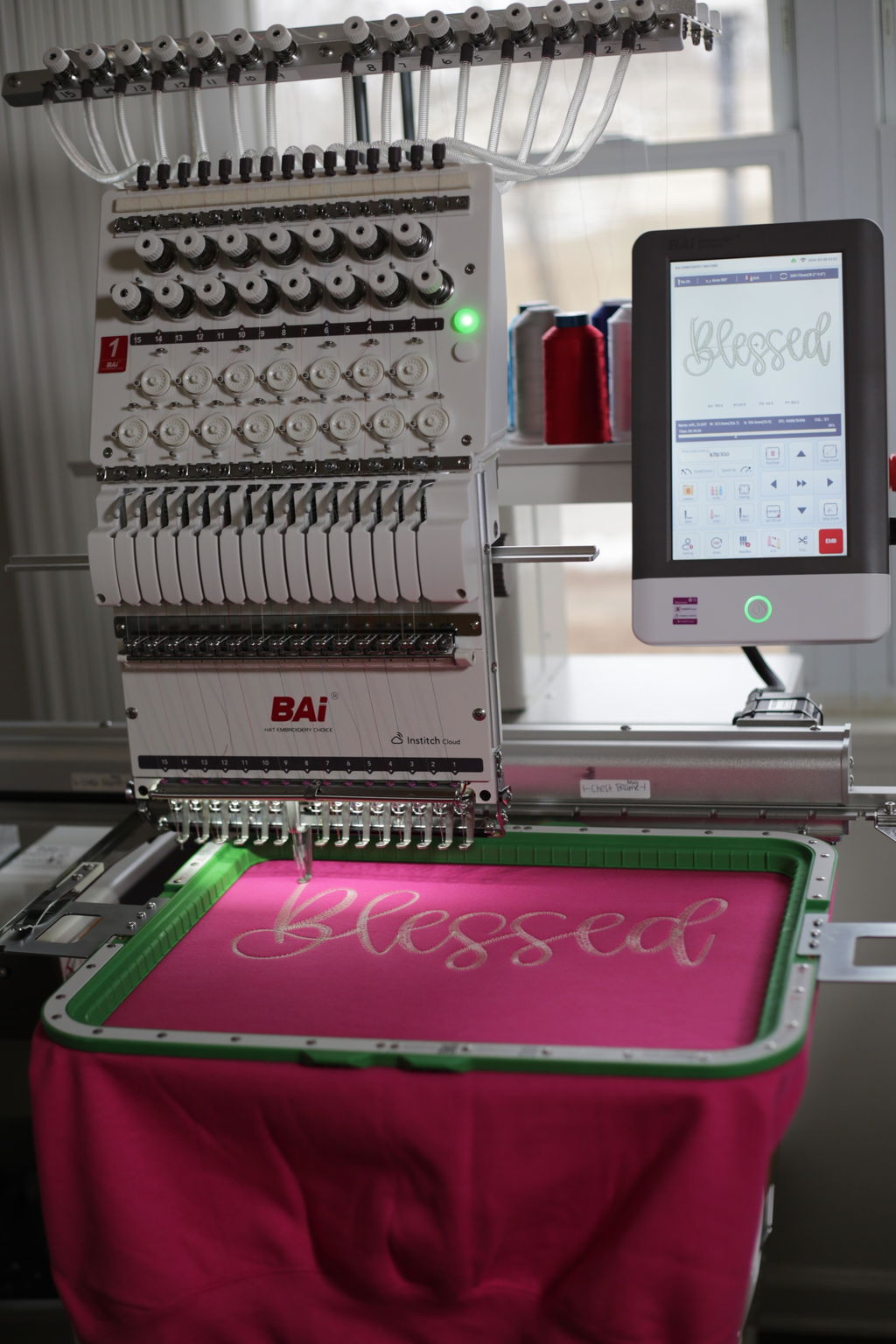
Honestly, hooping with the standard hoops is what took the joy away from me with embroidery. Every time I would set out to create something, it became a stressful moment. I have had the Maggie Frames for a bit over a month now and I absolutely LOVE them! It has made hopping such a breeze! I’m making something almost daily at this point and it’s stress free. I’m back to enjoying embroidery. I highly recommend them. And they took less than 2 weeks to arrive and I saved SO much money! I was able to purchase way more frames, plus the hoop and sleeve station for an amazing price. 10/10 recommend!
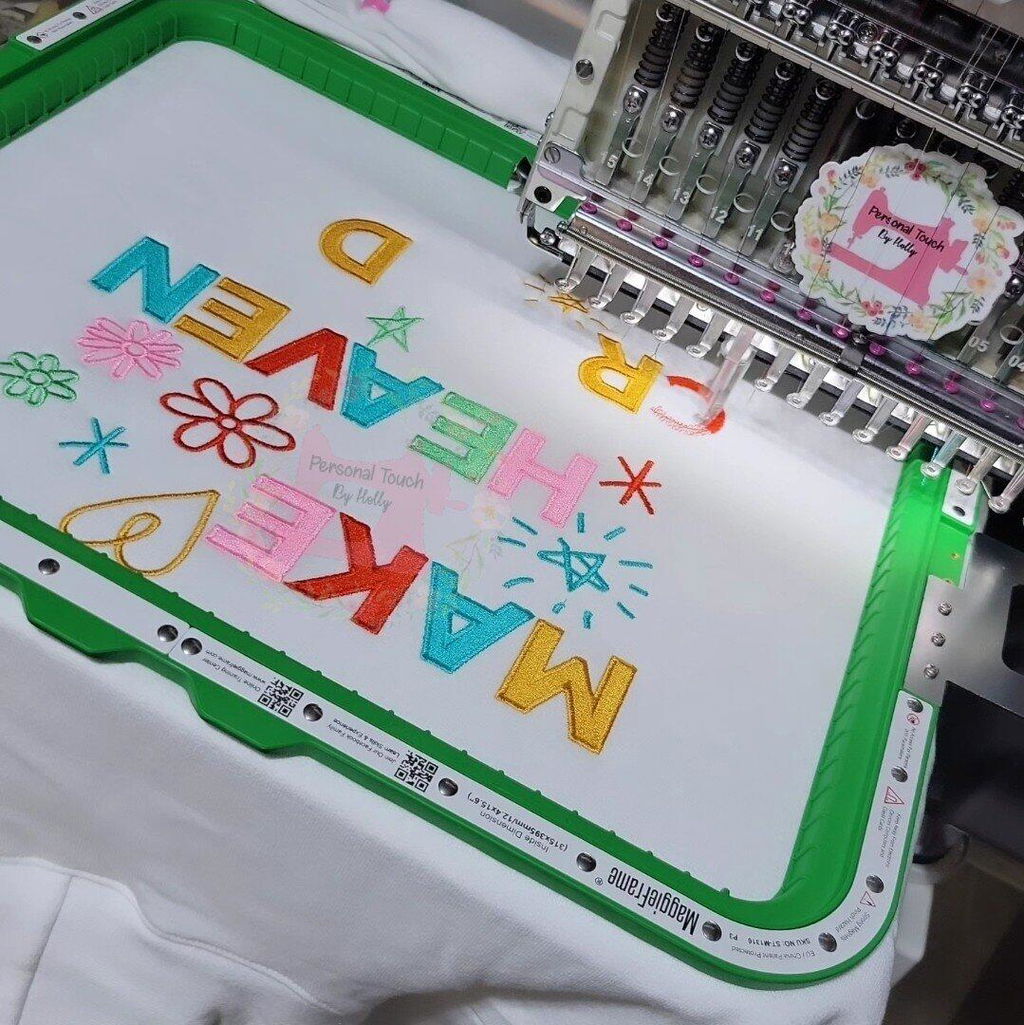
Perfect hoop for my machines at a great affordable price.
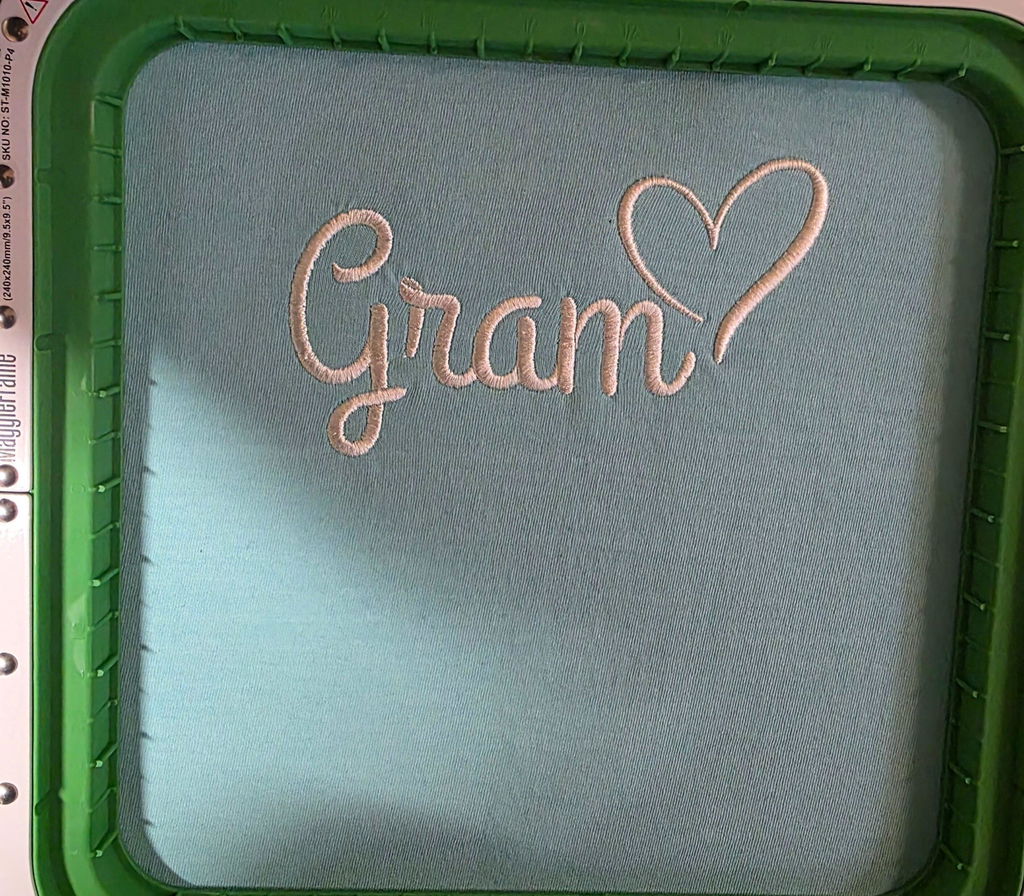
I'm a new business owner and I chose to go with maggie frame due to the great customer service and responsiveness of the team. The frames are string and easy to use. I had to make minor adjustments to my machine for it to avoid the edges but now that I'm dialed in the frames work perfect
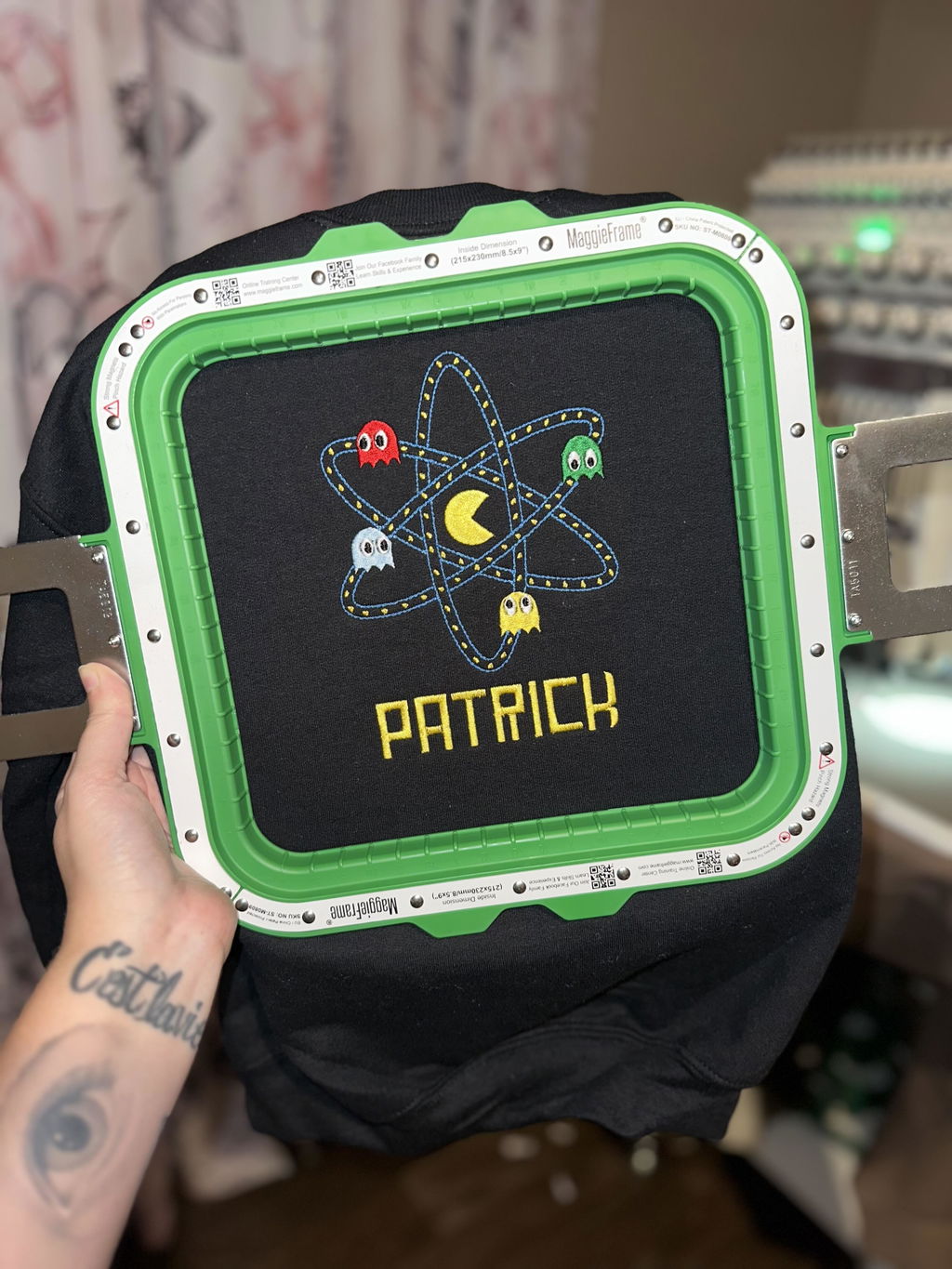
Perfect size for taller designs!!!!
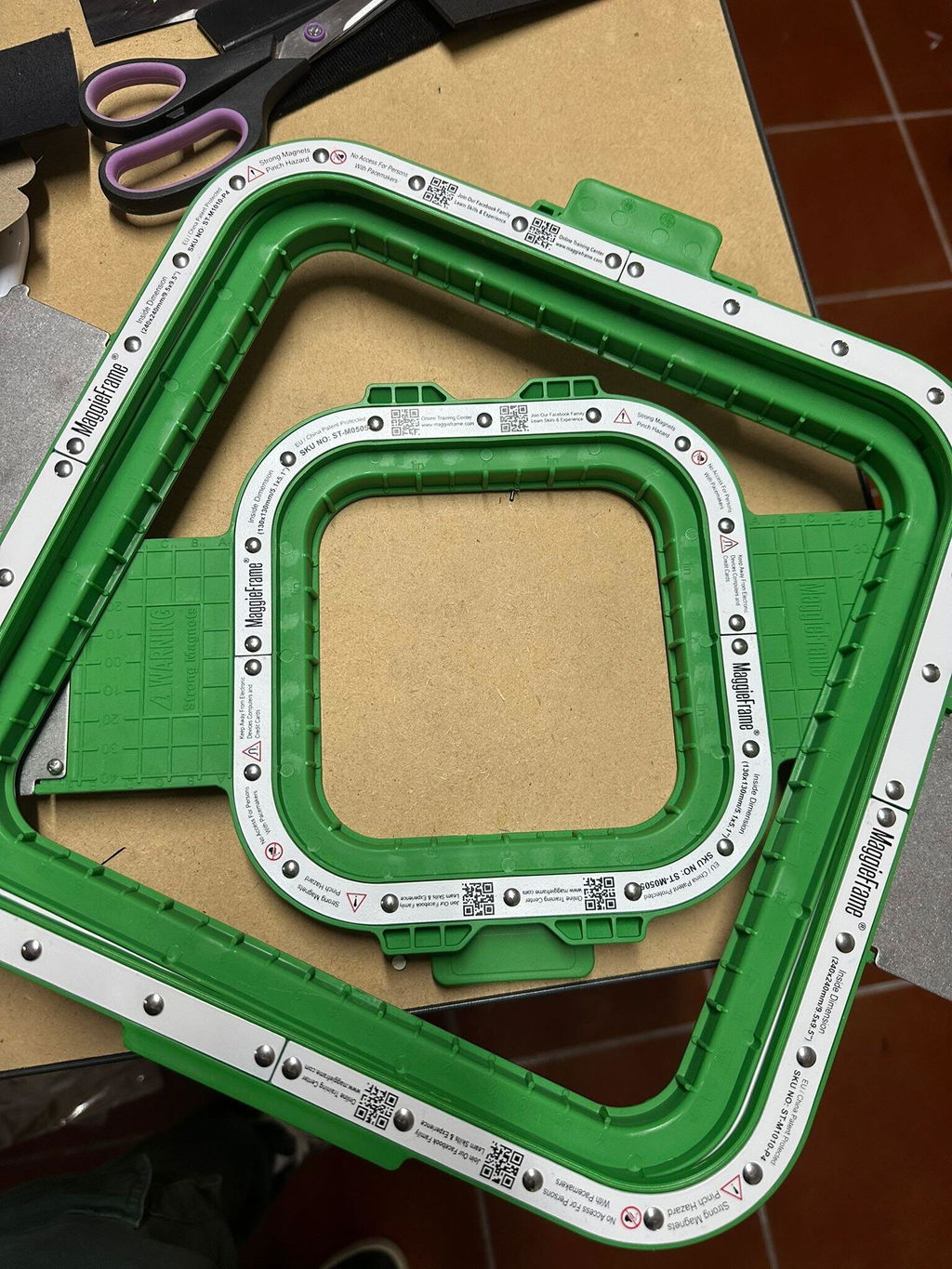
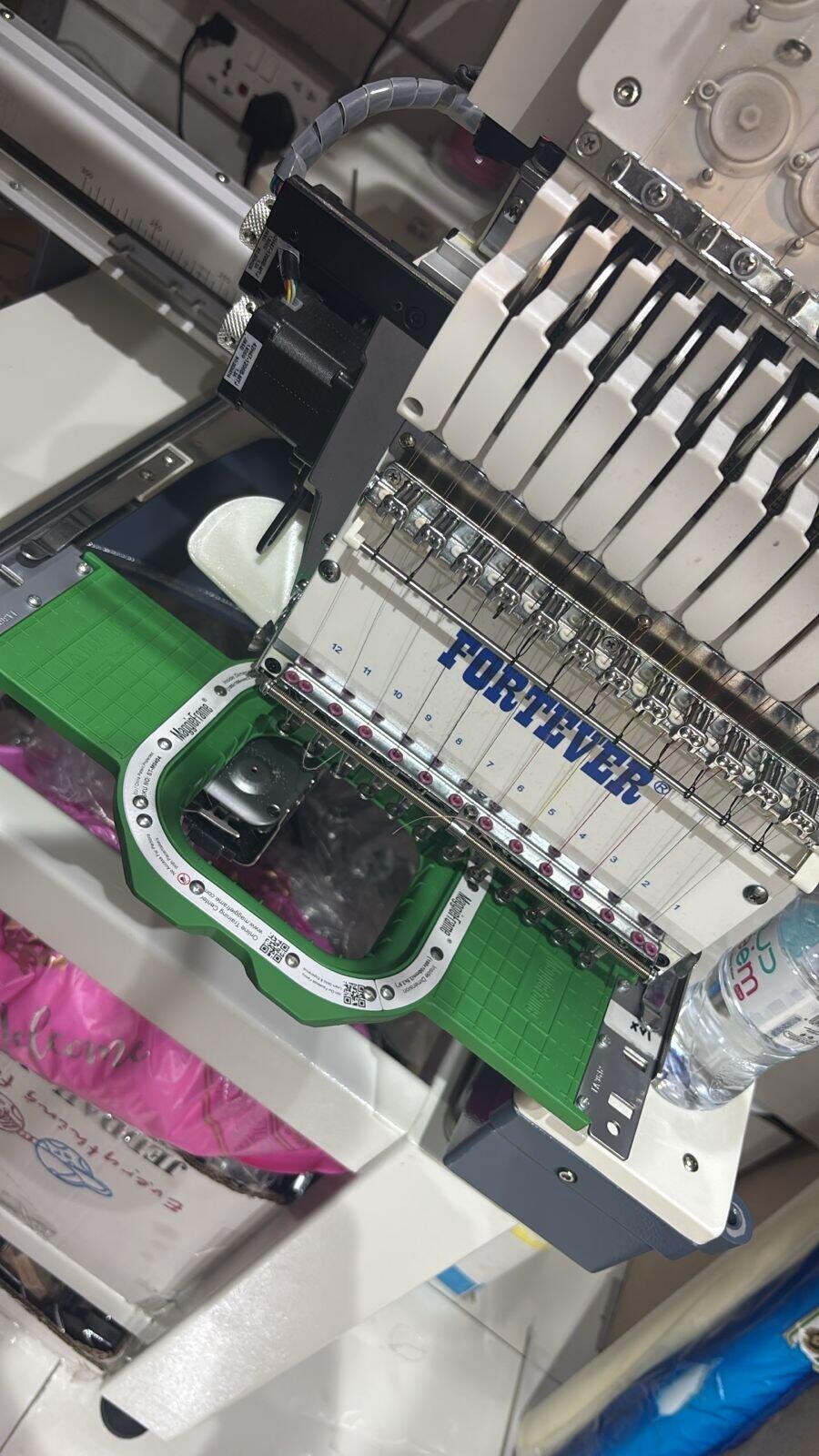
I’m really happy with the MaggieFrame Magnetic Hoop for Fortever Halo 100 Halo-X Embroidery Machine! The quality is excellent, and it makes hooping so much easier and faster. It holds the fabric securely without slipping, and the magnets are strong but easy to work with. Shipping was quick, and the packaging was great. Overall, a fantastic product and wonderful experience with MaggieFrame — highly recommend!
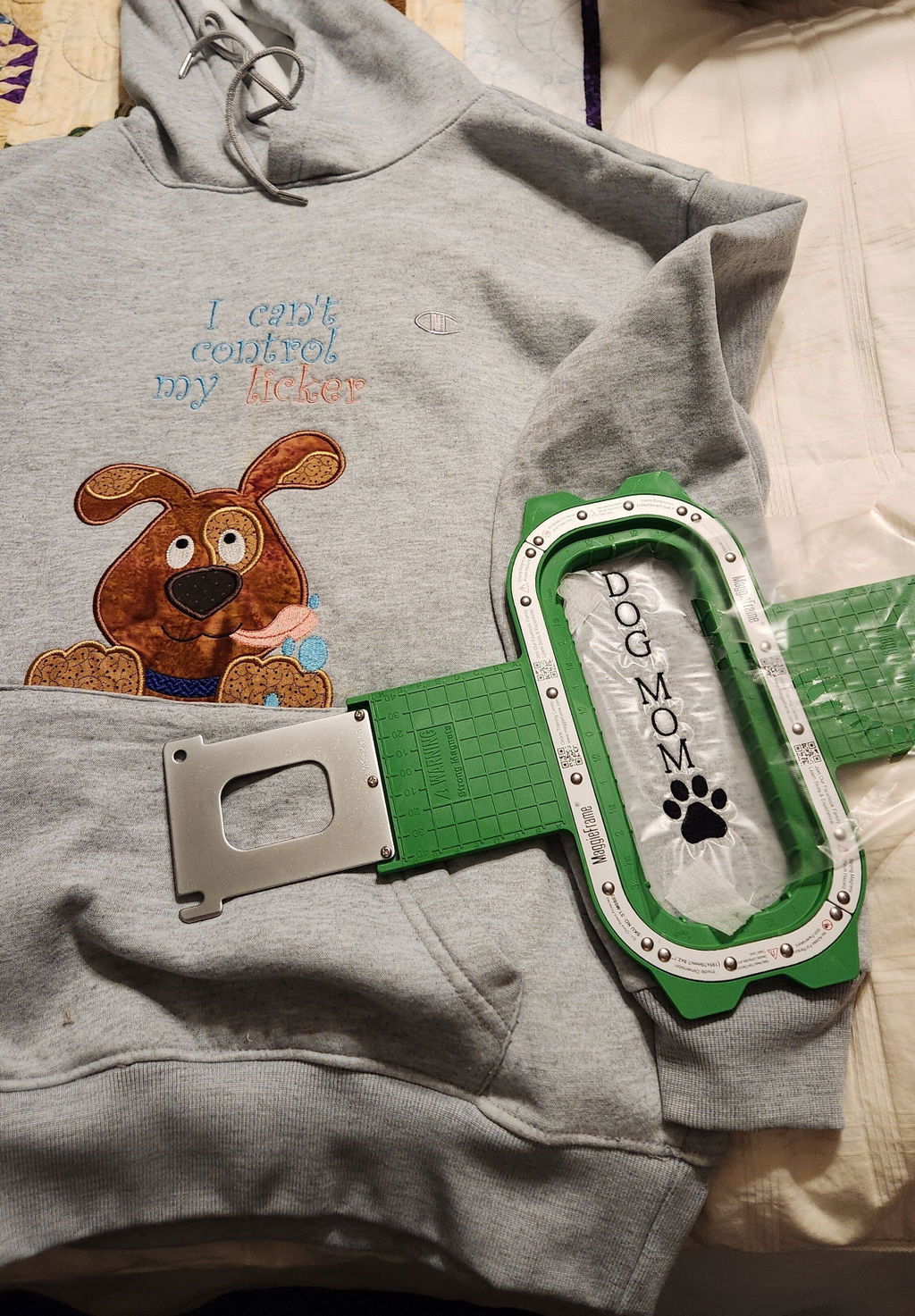
I love this hoop for embroidering on sweat shirt sleeves. Can't imagine doing it without this hoop. Works great on Brother PR680W
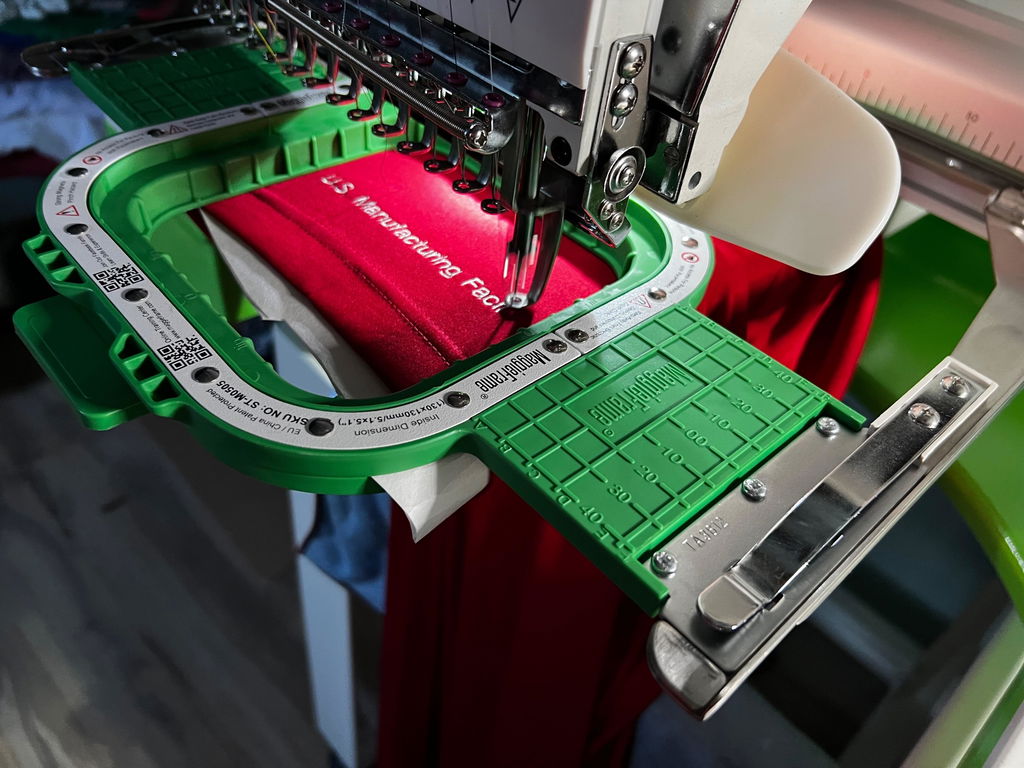
Let me tell you—this MaggieFrame Magnetic Hoop 5.1” is the Beyoncé of embroidery hoops. Elegant, powerful, and doesn’t tolerate nonsense. I used to fight with regular hoops like they owed me money. Not anymore.
I just slap the fabric in, and BOOM—magnetized like it’s falling in love. No more fiddling with screws like a confused raccoon. It holds tighter than my grandma’s hugs and doesn’t let go until I say so.
Bonus: the sound it makes when it clicks together is more satisfying than peeling protective film off a new phone.
10/10. Would hoop again.
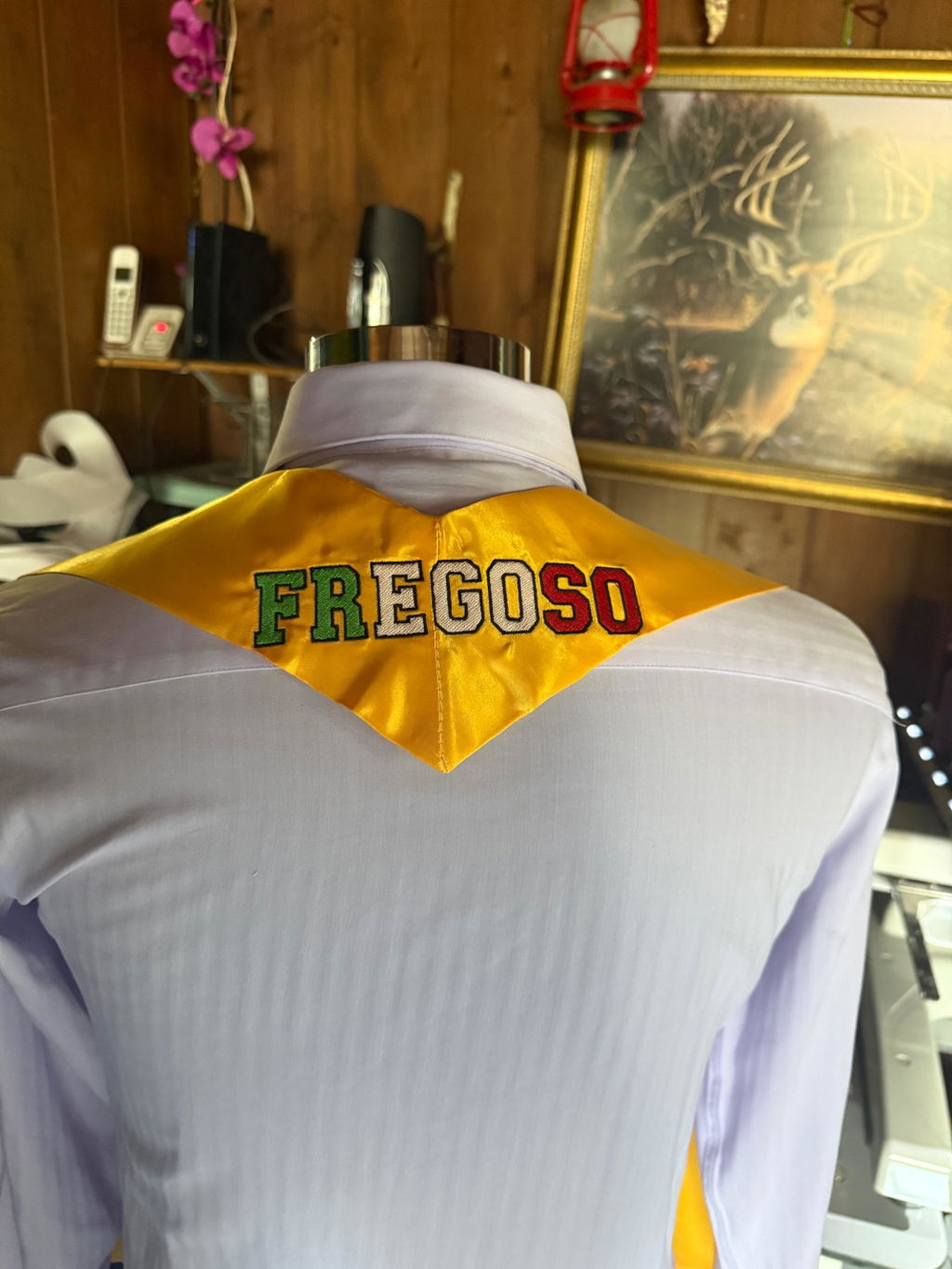
Great costumer service, hop is very strong and durable, no complains. Definitely buying more sizes
Peter and Jason are the best
This was probably one of my best purchases. They reached out to confirm the sizes that I chose. Worked with me on figuring it out. I’m new to embroidery. Sent a few extra brackets. Kept communicating until i received the product and even sent me more. I purchased the 8 and 1 and kit with 4 hoops
Product Description
2. The actual embroidery area is smaller by about 15 mm / 0.6″ (depending on the embroidery machine). For best results, leave a small margin inside the field to avoid stitching too close to the edge.
3. The brackets supplied vary according to your machine brand and hoop length selection; please choose accordingly so the magnetic embroidery frame for Tajima embroidery machines mounts correctly.
Compatible Machine Models:
Almost All Tajima Embroidery Machines can use MaggieFrame. Including but Not Limited to below:
TEFX-C1501
TEJT 1501C
TEMX 1501
TFGN-C1212
TFHX-II-C1502 / C1504 / C1506
TFMX-C902 / C1501 / TFMX-II-C1202 / C1504 / SC1501 / C1506
TMAR- K0902C / K0904C / K0906C / K0908C / K1202C / K1204C / K1206C / K1208C / K1502C / K1504C / K1506C / K1508C
TMAR-K1504C / TMAR-K-C1506-W / TMARK-K 1501
TMBP-SC1501 / TMBP-S1501C / TMBP S1501C
TMBR-SC1501
TMBU-SC1501
TMEZ-SC1501 / TMEZ SC1501
TMEX 901C / 1501C
THEX 1501C
TUMX 1501C
TWMX-C1501 (SUMO)
We offer many hoop sizes compatible with Tajima embroidery machines. Click here to explore all products for Tajima embroidery machines.
Features:
1. MaggieFrame is easier to use and can save significant hooping time compared with conventional embroidery machine hoops, especially on production runs with magnetic hoop embroidery for Tajima embroidery machines—many users hoop in seconds instead of minutes.
2. MaggieFrame uses strong magnets to help keep fabric tension stable during embroidery.
3. MaggieFrame is built for repeated use in everyday embroidery workflows.
Happy customers shared on their social media. Click👇
What Customers Say About MaggieFrame – Real Reviews from Embroidery Customers Worldwide
Packing List:
1. Embroidery Hoop Main Part (Without Brackets) x 1
2. A Pair of Brackets x 1
3. Screws
Note: Brackets need to be assembled with the screws.
Product Videos:
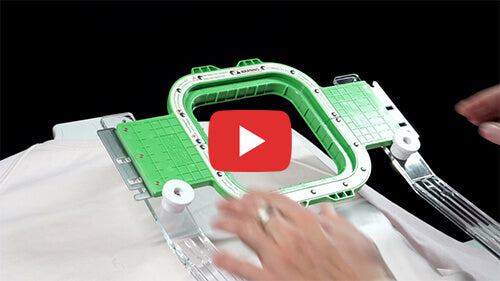
Through these two customer visit videos, you can understand the difference between the MaggieFrame magnetic hoop and a tubular hoop, including how magnetic hoops embroidery for Tajima embroidery machines can center fabric faster and help reduce hoop burn during repeat jobs.
Watch video Watch videoMore Info.:
1. MaggieFrame hoops for Tajima embroidery machines hold garments firmly with magnetic force and automatically adapt to different thicknesses, so the outer hoop doesn't need adjustment. With these magnetic embroidery hoops or magna hoops, hooping items like jeans, backpacks, and hoodies becomes simpler and faster—pair with the right stabilizer for clean results.
2. Because the two frames snap together magnetically, you no longer need to manually tighten screw tension, which relieves stress on your hands and wrists and speeds repeat jobs.
3. The way magnetic hoops hold the fabric helps reduce hoop burn, preserving the appearance of your materials while improving stitch quality and minimizing unwanted movement.
4. Add these embroidery hoops and an embroidery hooping station from MaggieFrame to your embroidery accessories toolkit to handle different hoop sizes for Tajima embroidery machines and streamline daily workflows.
We have a lot of different size hoops to compatible with Tajima / Toyota Embroidery Machines. Click Here to check all products for Tajima / Toyota embroidery machines.
For more product options, browse our full Embroidery Hoops and Other Products collection .
More Customer Using Reference
How to Use the 5.1"×5.1" MaggieFrame Magnetic Hoop with PC Sheet – Easy Hooping for Small Designs - Customer Using Reference
Watch videoMaggieFrame Magnetic Hoops Explained – Faster, Easier Hooping on Brother PR Machines - Customer Using Reference
Watch videoHow to Stitch a 133,000-Stitch 35 cm Design with MaggieFrame Magnetic Hoops - Customer Using Reference
Watch videoUnbreakable Test: US Customer Drives Over a 3.9" MaggieFrame – Still Perfect on the Maya Machine - Customer Using Reference
Watch videoFAQs
What is the correct procedure for hooping fabric with this magnetic frame?
To use the MaggieFrame magnetic embroidery hoop for Tajima machines, first position the bottom frame flat on the hooping station. Next, place your stabilizer and fabric smoothly over it without applying tension. Finally, align and drop the top magnetic frame—its magnets automatically grip the layers evenly, requiring no manual pressure. This no-force step ensures efficient, damage-free hooping every time.
Are there any pro tips for using this magnetic frame with very thin or stretchy fabrics?
When hooping delicate materials such as silk or Spandex with a MaggieFrame magnetic hoop embroidery setup, avoid pulling the fabric tight. Instead, lay the stabilizer and fabric evenly over the bottom frame and let the magnetic embroidery frame secure them naturally. This prevents distortion, puckering, and overstretching, resulting in cleaner details and smooth stitches on light or elastic materials.
If I'm just starting my embroidery business, which size magnetic frame should I purchase first?
For beginners using Tajima embroidery machines, the 6″ × 8″ (150 × 200 mm) MaggieFrame magnetic embroidery hoop is a great all-around choice. It fits most apparel projects like left-chest logos and patches while saving time during hooping. This mid-size frame helps new embroiderers achieve high productivity and adapt easily to different garment types without frequent hoop changes.
Why is my fabric puckering in the center even when I hoop it tightly?
Puckering during embroidery is usually due to improper stabilizer choice rather than the hoop itself. Ensure you’re using the right stabilizer weight for your fabric—cut-away for knits or tear-away for wovens—and avoid stretching the fabric before snapping the magnetic hoops together. The MaggieFrame magnetic embroidery frame maintains consistent tension, but the stabilizer must suit the material to prevent distortion.