1. Introduction to Stabilizers: Core Concepts and Industry Applications
Stabilizers are the unsung heroes quietly working behind the scenes of countless industries. Whether you’re savoring the creamy texture of yogurt, marveling at the durability of PVC pipes, or ensuring your embroidery stitches stay sharp and precise, stabilizers are at play. At their core, stabilizers are substances or devices designed to maintain balance, prevent unwanted changes, and preserve the integrity of materials or systems under stress.
Their applications span a remarkable range: in industrial embroidery machines for sale used, stabilizers keep plastics from degrading under heat or UV light; in food, they maintain consistency and shelf life; in electronics, they shield sensitive devices from voltage fluctuations; and in textiles—especially machine embroidery—they keep fabrics from puckering or distorting during stitching. This blog will unravel the essential types of stabilizers, demystify their functions across domains, and shine a spotlight on their pivotal role in machine embroidery. By the end, you’ll see stabilizers not just as additives or gadgets, but as multidisciplinary enablers of stability, reliability, and creative potential.
Table of Contents
- 1. Introduction to Stabilizers: Core Concepts and Industry Applications
- 2. Fundamental Definition and Purpose of Stabilizers
- 3. Comprehensive Classification of Stabilizer Types
- 4. Practical Applications and Industry-Specific Uses
- 5. Selection Criteria and Performance Optimization
- 6. Advanced Machine Embroidery Techniques and Innovations
- 7. Conclusion: Stabilizers as Multidisciplinary Enablers
- 8. Frequently Asked Questions (FAQ)
2. Fundamental Definition and Purpose of Stabilizers
What exactly is a stabilizer, and why does it matter across so many fields? Let’s break it down.
A stabilizer is any substance, device, or system designed to maintain stability by preventing degradation, unwanted changes, or destabilizing forces. No matter the context—be it chemical, mechanical, electrical, or textile—the stabilizer’s mission is to preserve integrity and functionality under stress.
2.1 Core Stabilizer Functions Across Domains
Stabilizers operate as silent guardians, each tailored to its environment:
- In Polymers and Plastics: Imagine PVC pipes exposed to relentless sunlight or the heat of manufacturing. Without stabilizers, they’d quickly degrade, crack, or discolor. Chemical stabilizers—like calcium-zinc compounds—are added to plastics and rubbers to fend off heat, light, oxidation, and ozone. For example:
- Heat stabilizers prevent thermal breakdown during processing.
- Light stabilizers (such as HALS and UV absorbers) shield against sunlight-induced damage.
- Antioxidants scavenge free radicals, extending product life.
- Antiozonants protect rubber from ozone cracking.
In fact, calcium-based stabilizers account for nearly half of the global polymer stabilizer market, reflecting their dominance and effectiveness.
- In Food and Beverage: Ever wondered how salad dressings stay creamy or jams keep their luscious texture? Hydrocolloids like xanthan gum, carrageenan, and gelatin act as stabilizers, thickening, emulsifying, and preserving mouthfeel without altering flavor. These additives keep mixtures from separating and ensure consistent quality.
- In Mechanical and Electrical Systems: Stabilizers also keep our gadgets and vehicles running smoothly. Voltage stabilizers, for instance, protect sensitive electronics—like computers and medical devices—by adjusting and maintaining safe voltage levels. They come in various forms, such as digital and servo-controlled units, each offering precise regulation to safeguard against power surges or sags.
In aviation, aerodynamic stabilizers (horizontal and vertical fins) are essential for maintaining an aircraft’s balance and control, ensuring safe and smooth flights.
Across all these domains, stabilizers work by absorbing energy, reinforcing structures, or neutralizing harmful reactions—always with the goal of keeping things steady and reliable.
2.2 Textile-Specific Stabilization: Preventing Fabric Distortion
Now, let’s zoom in on textiles—specifically, machine embroidery. Here, stabilizers take the form of non-woven or woven backings that support fabric during stitching. Without them, even the most beautiful designs can be ruined by puckering, stretching, or misalignment.
- Cut-Away Stabilizers: These are permanent backings, ideal for knits and stretch fabrics. They stay in place after embroidery, providing ongoing support and preventing distortion. Products like Sulky Cut-Away Plus™ are popular choices for their reliability.
- Wash-Away Stabilizers: Perfect for delicate fabrics or designs where no trace of stabilizer should remain, these dissolve completely in water after stitching. Sulky Solvy® is a go-to option for intricate lacework or sheer textiles.
- Heat-Away Stabilizers: These vanish under high heat, making them suitable for specialty projects where water isn’t an option.
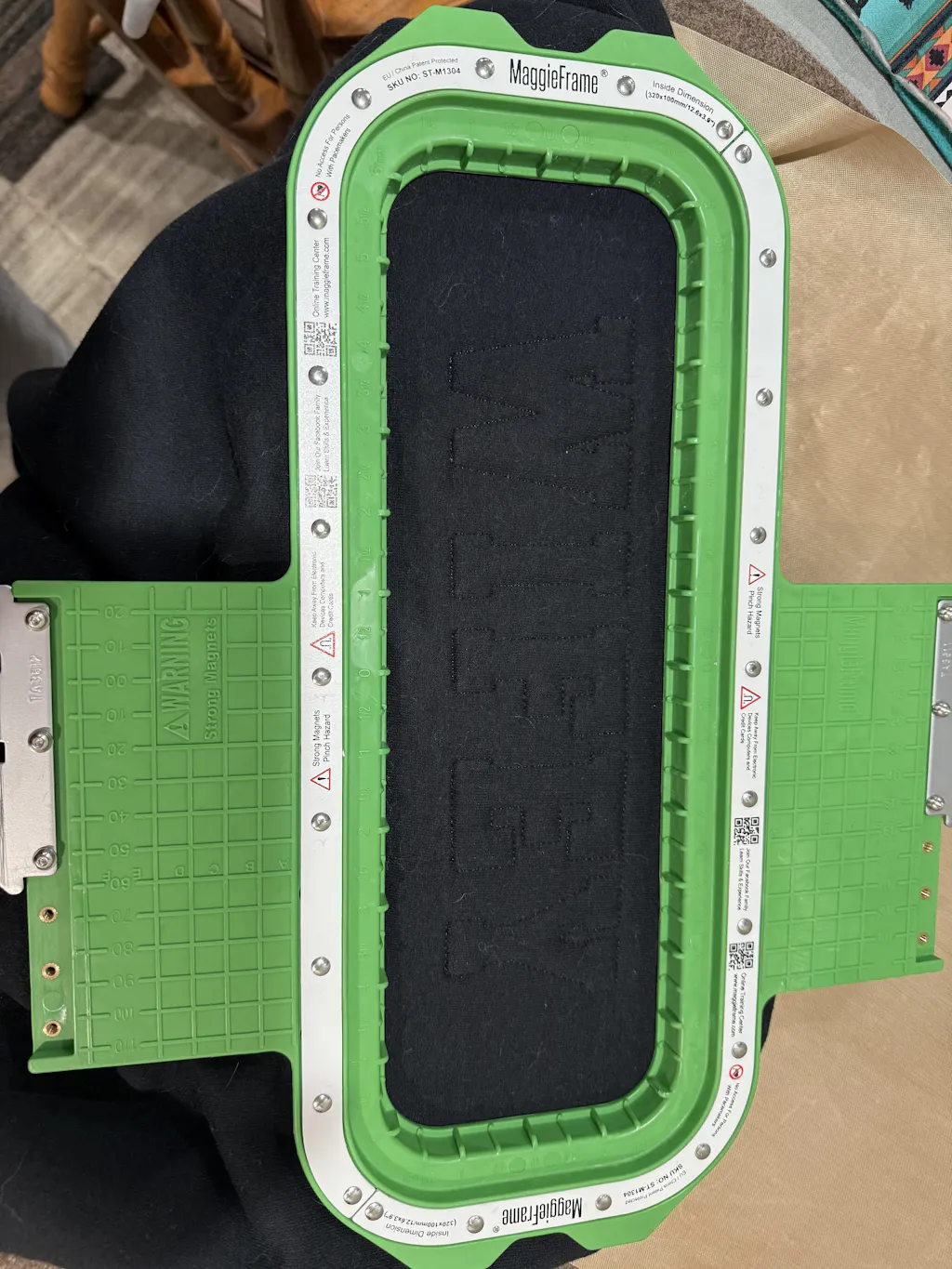
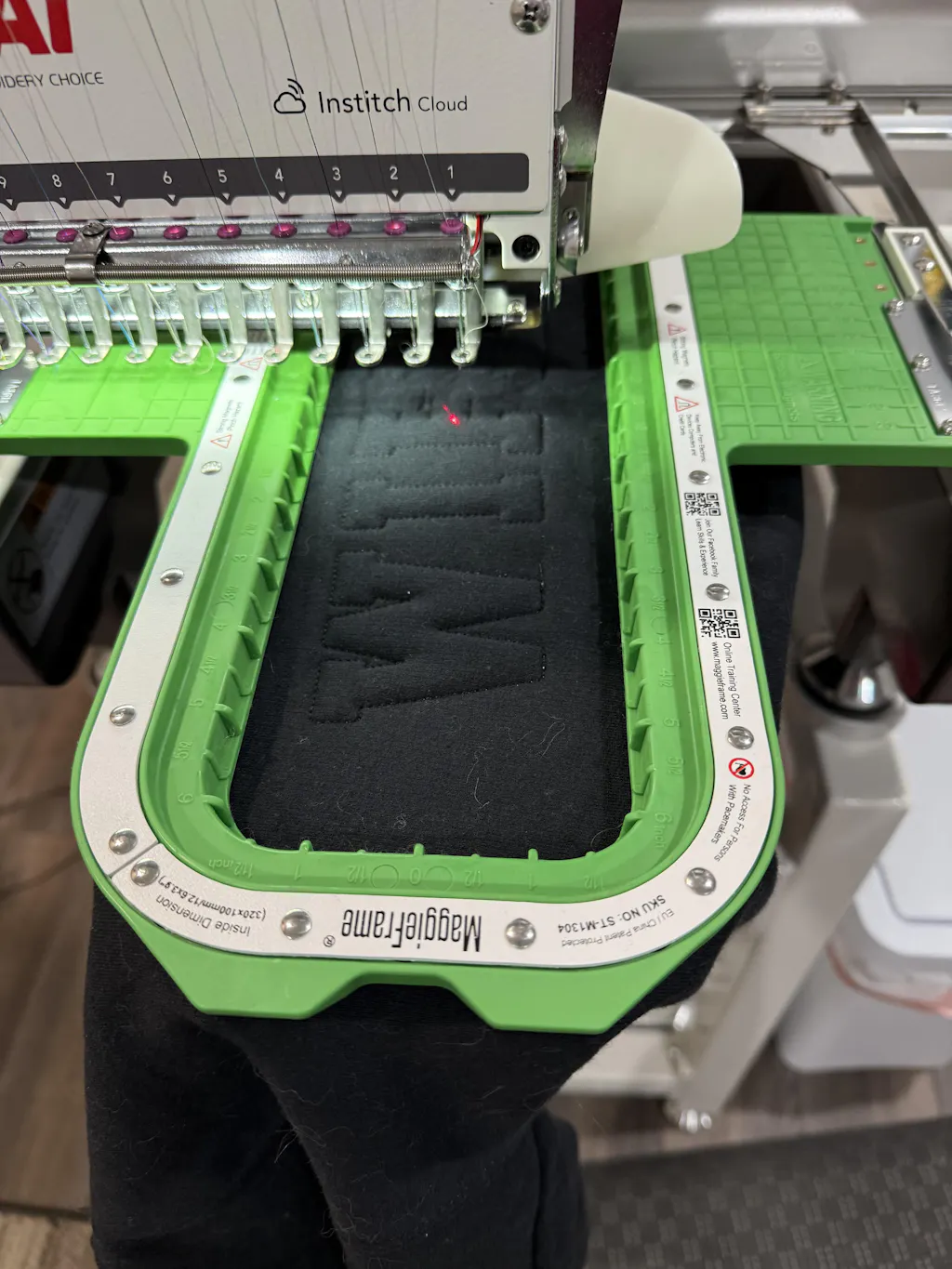
In essence, embroidery stabilizers act as the foundation beneath your creative vision, ensuring every stitch lands exactly where it should. MaggieFrame magnetic embroidery hoops are a game changer. They absorb the stress of high-speed needles, keep fabric taut, and prevent the dreaded “embroidery pucker.” The result? Crisp, professional-looking designs that stand the test of time.
3. Comprehensive Classification of Stabilizer Types
Stabilizers aren’t a one-size-fits-all solution. Their diversity is as broad as the industries they serve, each type engineered to tackle specific challenges—whether it’s preventing chemical breakdown, maintaining structural alignment, or supporting delicate textiles.
3.1 Chemical Stabilizers: Polymers, Food, and Pharmaceuticals
Chemical stabilizers are the backbone of modern material science, food technology, and even medicine.
- Polymers: In plastics, stabilizers are essential for longevity and performance.
- Calcium-based stabilizers dominate the market, making up nearly half of global sales. They’re favored for their compatibility with PVC and environmental friendliness.
- Lead-based stabilizers were once common but are declining due to toxicity concerns.
- Tin-based stabilizers excel in high-temperature applications.
- Liquid mixed metals (LMM) are emerging as versatile options for PVC processing.
Their functions? Preventing chain scission, enabling recycling, and extending product lifespan. The market for polymer stabilizers is projected to reach $6.5 billion by 2033, with a growing shift toward biodegradable options like epoxidized soybean oil to combat plastic pollution.
- Food and Beverage: Here, stabilizers ensure texture, consistency, and shelf life.
- Hydrocolloids (xanthan gum, carrageenan) provide viscosity, suspension, and emulsion stability.
- Natural polymers (chitosan, starch films) offer antimicrobial and barrier properties.
- Modified starches (CMC) enhance mouthfeel and add soluble fiber.
Trends favor natural, clean-label ingredients, with xanthan gum prized for its versatility and carrageenan for its dairy interactions.
- Pharmaceuticals: Mood stabilizers, such as lithium and certain anticonvulsants, play a critical role in managing bipolar disorder and related conditions, regulating mood swings and reducing episode severity.
3.2 Mechanical and Electrical Stabilization Systems
Mechanical and electrical stabilizers keep our world running smoothly—often without us noticing.
- Drilling Stabilizers: In oil and gas exploration, these tools prevent borehole deviation and ensure the drill string stays on course.
- Straight blade and spiral blade designs cater to different drilling environments.
- Rotating and non-rotating sleeve stabilizers offer flexibility and cost savings.
- Voltage Regulators: Servo-controlled voltage stabilizers, with accuracy of ±2-3%, are vital for protecting industrial equipment and sensitive electronics from power fluctuations. Their reliability is especially crucial in regions with unstable power grids.
- Aviation: Aerodynamic stabilizers—horizontal and vertical fins—are essential for aircraft balance, managing pitch and yaw for safe navigation.
3.3 Machine Embroidery Backings: Cut-Away, Tear-Away, and Soluble Options
In the world of machine embroidery, stabilizers are the unsung foundation of every flawless design.
- Cut-Away Stabilizers: These are permanent and best for knits or stretch fabrics. They remain after stitching, ensuring ongoing support and preventing distortion—ideal for garments that will be worn and washed repeatedly.
- Tear-Away Stabilizers: Designed for woven fabrics, these provide temporary support and can be gently removed after embroidery. They’re perfect for projects where the backing shouldn’t remain but a stable base is still needed during stitching.
- Wash-Away Stabilizers: For delicate fabrics or lace, these dissolve completely in water, leaving no trace behind. They’re the secret to creating free-standing lace or intricate details on sheer materials.
Each type addresses a specific embroidery challenge, allowing creators to match the stabilizer to the fabric and design for optimal results. Whether you’re working with stretchy knits, sturdy wovens, or ethereal lace, there’s a stabilizer engineered to make your vision a reality. machine embroidery designs can be ruined by puckering if the wrong stabilizer is selected.
---
Ready to discover which stabilizer best suits your next project—or curious about the science behind your favorite embroidery supplies? Stay tuned as we delve deeper into practical applications and industry-specific uses in the next sections!
4. Practical Applications and Industry-Specific Uses
Stabilizers are the unsung backbone of reliability in industries ranging from electronics to food and textile arts. Let’s dive into how these silent guardians keep our world running smoothly—and how their versatility empowers everything from your morning yogurt to your favorite embroidered sweatshirt.
4.1 Voltage Regulation in Electronics and Industrial Equipment
Imagine a hospital’s life-support system or a high-speed computer server. What keeps them safe from the chaos of power surges and brownouts? Voltage stabilizers. These devices are engineered to deliver a constant, safe voltage to sensitive equipment, regardless of the unpredictable swings in the power grid.
How do they work? Voltage stabilizers use two essential operations:
- Buck: Reduces voltage during overvoltage conditions.
- Boost: Increases voltage when the supply dips too low.
Modern stabilizers employ transformer configurations—like tap-changing transformers and autotransformers—to make real-time adjustments. Servo-controlled units, for instance, use a motor-driven mechanism to fine-tune output, ensuring precision even in the face of erratic input.
Efficiency matters:
- Linear regulators are simple but best for low-power needs, as they tend to waste excess energy as heat.
- Switching regulators shine in high-power applications (think computers and industrial machinery), boasting efficiency rates far superior to linear types.
Why does this matter? Consistent voltage means fewer equipment failures, less downtime, and peace of mind—whether you’re running a medical lab or a manufacturing line. In a world where a flicker in the power can spell disaster, stabilizers are the unsung heroes behind the scenes.
4.2 Food Preservation and Texture Maintenance
Ever wondered why your favorite ice cream is always creamy, or why jam sets just right? The answer lies in stabilizers—nature’s (and science’s) way of keeping food delicious and shelf-stable.
Natural stabilizers like carrageenan (from red algae) and pectin (from citrus fruits and apples) are the go-to choices for food manufacturers aiming for clean-label products. Here’s how they’re used:
- Carrageenan: Thickens and stabilizes dairy products like yogurt and ice cream, ensuring a smooth, luscious texture.
- Pectin: Acts as a gelling agent in jams, jellies, and fruit juices, giving them that perfect set.
Synthetic stabilizers—such as carboxymethyl cellulose (CMC) and xanthan gum—still have their place, especially for cost-effective, large-scale production. But the trend is clear: consumers and brands alike are gravitating toward natural options for their transparency and health appeal.
| Type | Source | Function | Applications |
|---|---|---|---|
| Carrageenan | Red algae | Thickening, stabilizing | Dairy, desserts |
| Pectin | Citrus, apples | Gelling | Jams, jellies, juices |
| Guar gum | Guar bean | Thickening | Baked goods, beverages |
| Agar | Red algae | Gelling | Desserts, beverages |
Key trend: Natural stabilizers are winning hearts (and shelf space) for their ability to deliver both function and a “clean” ingredient label. The next time you enjoy a creamy treat or perfectly set jam, remember: stabilizers are working behind the scenes to make it possible.
4.3 Embroidery Stabilization Techniques for Different Fabrics
Let’s bring it home to the world of machine embroidery—a domain where stabilizers are the unsung foundation of every crisp, professional stitch.
Fabric matters.
- Knits and stretch fabrics (like t-shirts and fleece) demand cut-away stabilizers for permanent support, preventing distortion and keeping stitches sharp through wear and washing.
- Woven fabrics (such as cotton and linen) pair best with tear-away stabilizers, which offer temporary support and are easily removed after stitching.
- Sheer or delicate materials (think organza or tulle) call for wash-away stabilizers that dissolve completely, leaving no trace behind.
YouTube tutorials consistently highlight the importance of matching stabilizer type to fabric for flawless results. But there’s another secret weapon for embroidery professionals and enthusiasts alike: the right hoop.
Enter MaggieFrame magnetic embroidery hoops. When it comes to garment embroidery, MaggieFrame’s magnetic hoops embroidery are a game changer:
- Effortless, even tension: The powerful magnetic system automatically adapts to fabric thickness, from delicate silks to thick sweatshirts. This means less puckering, fewer misalignments, and a dramatic reduction in fabric waste.
- Speed and ease: No more fiddling with screws or fighting with stubborn fabrics—just snap the hoop in place and go. For high-volume projects, this can cut hooping time by up to 90%.
- Fabric protection: The even pressure of MaggieFrame’s magnets helps prevent hoop burn and distortion, preserving the integrity of your garment.
Whether you’re a seasoned pro or just starting out, combining the right stabilizer with a MaggieFrame magnetic hoop unlocks a new level of embroidery precision and efficiency. It’s like upgrading from a flip phone to a smartphone—once you try it, you’ll wonder how you ever managed without it.
5. Selection Criteria and Performance Optimization
Choosing the right stabilizer isn’t just about grabbing the first roll off the shelf. It’s about understanding your material, environment, and the demands of your project. Let’s break down the key factors that ensure your stabilizer works as hard as you do.
5.1 Material Compatibility and Environmental Factors
The best stabilizer for the job is the one that matches your material’s unique needs and the stresses it will face.
Polymers and Plastics:
- PVC: Needs heat stabilizers (like calcium-zinc or tin-based) to survive processing.
- Outdoor plastics: UV stabilizers (such as HALS or benzotriazoles) fend off sun damage and photo-oxidation.
- High-temperature uses: Antioxidants protect against heat-induced breakdown.
Soil Stabilization:
- Clay soils: Lime is ideal for low-plasticity clays, while cement works best for sandy soils.
- Expansive clays: Ionic stabilizers (like CHEM-STAB®) reduce swelling and improve stability.
Textiles and Embroidery:
- Knits, fleece, denim: Cut-away stabilizers provide permanent support for stretch and heavy fabrics.
- Woven cotton, linen: Tear-away stabilizers offer temporary support for stable weaves.
- Sheer fabrics, lace: Wash-away stabilizers ensure no residue remains on delicate materials.
Environmental exposure—like heat, UV, or moisture—should always factor into your choice. For example, outdoor signage needs UV-stabilized plastics, while garments intended for frequent washing demand durable, washable backings.
By aligning stabilizer chemistry and structure with your material and environment, you’ll optimize both performance and longevity.
5.2 Efficiency Metrics: Durability, Washability, and Opacity
Not all stabilizers are created equal. Performance metrics—like how well a stabilizer holds up to washing, how visible it is under light fabrics, and how long it lasts—can make or break your project.
Let’s compare some top contenders:
| Stabilizer | Type | Durability | Washability | Opacity | Best For |
|---|---|---|---|---|---|
| AquaMesh | Wash-Away | High | Requires cutting/rinsing | Opaque | Freestanding lace, sheer |
| Sulky Solvy | Wash-Away | Low | Quick dissolution | Transparent | Sheer fabrics, transfers |
| OESD Fusible Woven | Cut-Away | High | Not washable | Black/White options | Woven, stretchy materials |
| Baby Lock No-Show Mesh | Cut-Away | High | Not washable | Beige/Black/White | Knits, minimal visibility |
Key insights:
- AquaMesh and Badge Master are go-tos for durability in freestanding lace.
- Sulky Solvy is prized for its transparency but is less robust for dense stitching.
- OESD Fusible Woven and Baby Lock No-Show Mesh excel in supporting knits and wovens while minimizing show-through.
Spotlight on MaggieFrame: For best embroidery machine for small business professionals seeking long-term efficiency, MaggieFrame’s magnetic hoops are crafted from high-grade engineering plastics. This means they’re not only tough enough for daily use but also maintain consistent tension and performance over time—helping you achieve professional results, project after project.
Takeaway: Evaluate your stabilizer’s performance not just on price, but on how it will stand up to real-world use. Durability, washability, and opacity are the metrics that matter most when you want your work to last and look its best.
6. Advanced Machine Embroidery Techniques and Innovations
Ready to take your embroidery game to the next level? Let's explore step-by-step workflows, troubleshooting tips, brand comparisons, and the latest eco-friendly innovations shaping the future of machine embroidery.
6.1 Step-by-Step Stabilizer Application Workflow
Mastering stabilizer application is like learning a dance—precision and rhythm make all the difference.
Cut-Away Stabilizer (for stretch fabrics, dense stitches):
1. Prep: Cut stabilizer slightly larger than your design area.
2. Hoop: Place stabilizer in the hoop, center fabric on top, and ensure it's taut. For fusible types, use a low-temp iron to bond.
3. Stitch: Embroider your design.
4. Trim: Carefully cut excess stabilizer, leaving a small margin for continued support.
Tear-Away Stabilizer (for woven fabrics, low-density designs):
1. Hoop: Place stabilizer in the hoop, align fabric over it.
2. Stitch: Embroider as usual.
3. Remove: Gently tear stabilizer away from the edges inward.
Wash-Away Stabilizer (for sheer fabrics, lace):
1. Hoop: Place stabilizer in the hoop, layer fabric on top.
2. Stitch: Complete your embroidery.
3. Dissolve: Soak the finished piece in water to remove stabilizer.
Topping (for textured fabrics):
1. Layer: Place topping over the stabilizer and fabric.
2. Stitch: Embroider through all layers.
3. Remove: Tear away topping after stitching.
Fabric positioning tips:
- Always center your fabric in the hoop for even tension.
- Use reference lines or guides (like those on MaggieFrame hoops) for quick, accurate placement—especially helpful for repeat designs or large batches.
6.2 Troubleshooting Common Embroidery Issues
Even seasoned embroiderers face hiccups. Here's how to tackle the most common headaches:
Puckering:
- Cause: Insufficient stabilizer, loose hooping, or fabric movement.
- Fix: Upgrade to a cut-away stabilizer for stretch fabrics or dense stitches. Add a topping for textured surfaces. Use fusible stabilizers to prevent shifting.
Fabric movement during stitching:
- Cause: Loose hooping or lack of adhesive.
- Fix: Tighten your hoop, or use adhesive/hydro stabilizers for tricky materials.
Residue or stiffness:
- Cause: Tear-away used on stretch fabrics or dense designs.
- Fix: Switch to cut-away for permanent support, or use wash-away for delicate, residue-free results.
Pro tip: Matching stabilizer type to fabric and design complexity is your best defense against embroidery woes. Don't be afraid to experiment—sometimes a small tweak makes all the difference!
6.3 Comparative Analysis of Embroidery Stabilizer Brands
| Brand/Material | Type | Best For | Washability | Opacity | Durability |
|---|---|---|---|---|---|
| AquaMesh | Wash-Away Film | Freestanding lace, sheer | Cut excess, rinse | Opaque | High |
| Badge Master | Wash-Away Film | Heavy lace, appliqués | Dissolves after rinse | Opaque | High |
| Sulky Fabri-Solvy | Wash-Away Paper | Light embroidery, transfers | Quick dissolution | Transparent | Low |
| OESD Fusible Woven | Cut-Away | Woven/stretchy materials | Not washable | Black/White | High |
| Baby Lock No-Show Mesh | Cut-Away Mesh | Knits, sweatshirts | Not washable | Multiple colors | High |
| Baby Lock Tear-Away Soft | Tear-Away | Stable fabrics | Not washable | Opaque | Moderate |
Key takeaways:
- AquaMesh and Badge Master are top picks for strength and wash-away needs.
- Sulky Fabri-Solvy is ideal for delicate, transparent applications.
- OESD and Baby Lock offer robust options for both cut-away and tear-away needs.
6.4 Eco-Friendly Innovations: rPET and Water-Soluble Solutions
Sustainability is no longer a buzzword—it's a necessity. The embroidery industry is stepping up with innovative, eco-friendly stabilizer options:
Recycled PET (rPET) Stabilizers:
- Madeira's Polyneon Green and Sensa Green lines use 100% recycled PET bottles for white backings, and a blend for black versions.
- PES SOFT GREEN and PES HARD GREEN offer soft and rigid options for lightweight and heavy fabrics.
- CAPS GREEN brings sustainability to cap embroidery with pre-cuts and rolls.
Water-Soluble, Cellulose-Based Stabilizers:
- Brands like OESD offer cellulose-based, biodegradable stabilizers that dissolve in water—perfect for sheer fabrics and lace.
Circular economy in action:
- Used PET bottles are shredded, melted, and spun into nonwoven webs, giving new life to old plastics and reducing waste.
DIY and waste reduction tips:
- Patch and reuse adhesive stabilizer scraps to extend their life.
- Dissolve leftover water-soluble stabilizer pieces to create a fabric stiffener for delicate projects.
The future is green: With brands prioritizing rPET and biodegradable materials combined with advanced material science, embroidery software, and smarter application techniques, today's embroiderers can create beautiful, durable designs while reducing their environmental footprint. It's a win for creativity—and for the planet.
---
Ready to elevate your craft? Whether you're troubleshooting puckering, choosing the perfect stabilizer, or seeking sustainable solutions, your embroidery journey just got a whole lot smoother.
7. Conclusion: Stabilizers as Multidisciplinary Enablers
Stabilizers are the silent architects of reliability across countless industries. Whether they’re preserving the texture of your favorite dessert, protecting electronics from voltage swings, or ensuring every embroidered stitch lands perfectly, their role is foundational. The right stabilizer doesn’t just prevent failure—it unlocks creative and technical possibilities, allowing materials and machines to perform at their best.
For embroidery professionals, the art of stabilizer selection is as vital as thread or design choice. Matching stabilizer type to fabric, design density, and environmental demands ensures crisp results and lasting quality. Meanwhile, innovation continues to shape the field—eco-friendly options, advanced material science, and smarter application techniques are driving the next wave of stability and sustainability.
In every context, stabilizers act as multidisciplinary enablers—quietly but powerfully supporting progress, precision, and performance. As you move forward in your craft or industry, let your stabilizer choices reflect both your technical needs and your commitment to excellence.
8. Frequently Asked Questions (FAQ)
8.1 Q: What is a stabilizer, and why is it important?
A: A stabilizer is a substance or device added to materials or systems to maintain stability and prevent unwanted changes. In embroidery, stabilizers keep fabric from distorting during stitching. In other industries, they prevent degradation, control reactions, or ensure consistent performance.
8.2 Q: How do I choose the right stabilizer for my embroidery project?
A: Match the stabilizer to your fabric and design. Use cut-away stabilizers for knits and stretch fabrics, tear-away for stable wovens, and wash-away for delicate or sheer materials. Consider design density and intended use—durability and washability matter for garments that will be laundered often.
8.3 Q: Are there eco-friendly stabilizer options available?
A: Yes! Brands now offer recycled PET (rPET) stabilizers and cellulose-based, water-soluble backings. These options help reduce environmental impact while delivering professional embroidery results.
8.4 Q: What should I do if my embroidery puckers or distorts?
A: Puckering often results from insufficient stabilization or improper hooping. Upgrade to a more suitable stabilizer (like cut-away for stretch fabrics), add a topping for textured surfaces, and ensure your fabric is hooped taut and evenly.
8.5 Q: Can stabilizers be used in other industries besides textiles?
A: Absolutely. Stabilizers are essential in food (for texture and shelf life), plastics (to prevent heat or UV degradation), electronics (voltage regulation), and even soil stabilization for construction.
8.6 Q: How do I remove wash-away stabilizer completely?
A: After stitching, soak your embroidery in water according to the stabilizer’s instructions. Gently agitate to dissolve all residue, then lay flat to dry for best results.
8.7 Q: What performance factors should I consider when comparing stabilizer brands?
A: Look at durability, washability, opacity, and compatibility with your fabric and machine. Some brands excel in strength (like AquaMesh for lace), while others offer superior transparency or ease of removal.
8.8 Q: Are stabilizers safe for sensitive skin or children’s garments?
A: Most embroidery stabilizers are designed to be safe, but always check for hypoallergenic or certified non-toxic options—especially for items intended for babies or those with skin sensitivities.
Have more questions? Explore our previous sections or consult trusted stabilizer brands for detailed guidance tailored to your next project!